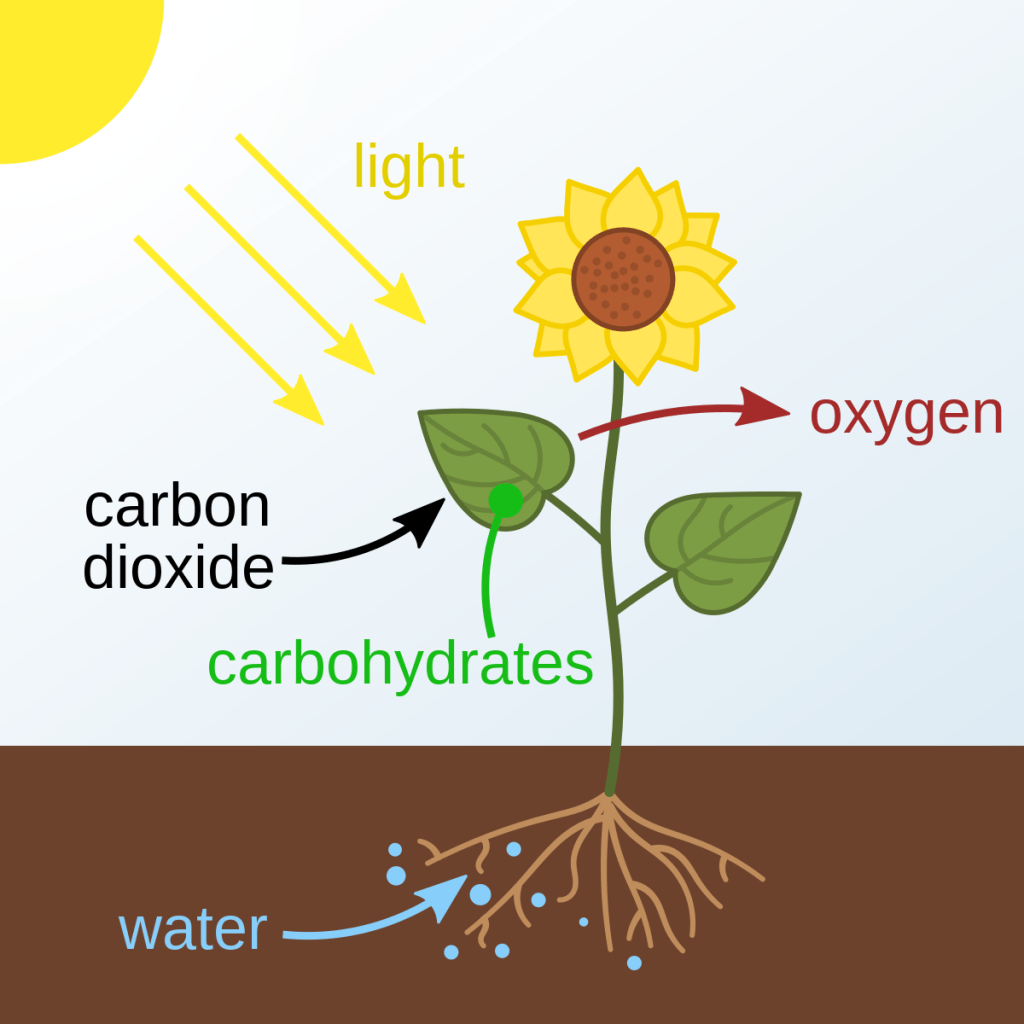
Photosynthesis is a process that occurs in plants, algae, and some bacteria. It is the primary means by which these organisms convert light energy into chemical energy, which is stored in the form of glucose or other carbohydrates. This process is crucial for life on Earth as it provides the oxygen we breathe and serves as the foundation of the food chain.
During photosynthesis, plants use specialized structures called chloroplasts, which contain a pigment called chlorophyll. Chlorophyll absorbs light energy, particularly in the blue and red regions of the electromagnetic spectrum, while reflecting green light, giving plants their characteristic color.
The process of photosynthesis takes place in specialized cell organelles called chloroplasts, which contain a pigment called chlorophyll. Chlorophyll absorbs light energy, particularly in the red and blue regions of the electromagnetic spectrum, while reflecting green light, giving plants their characteristic green color.
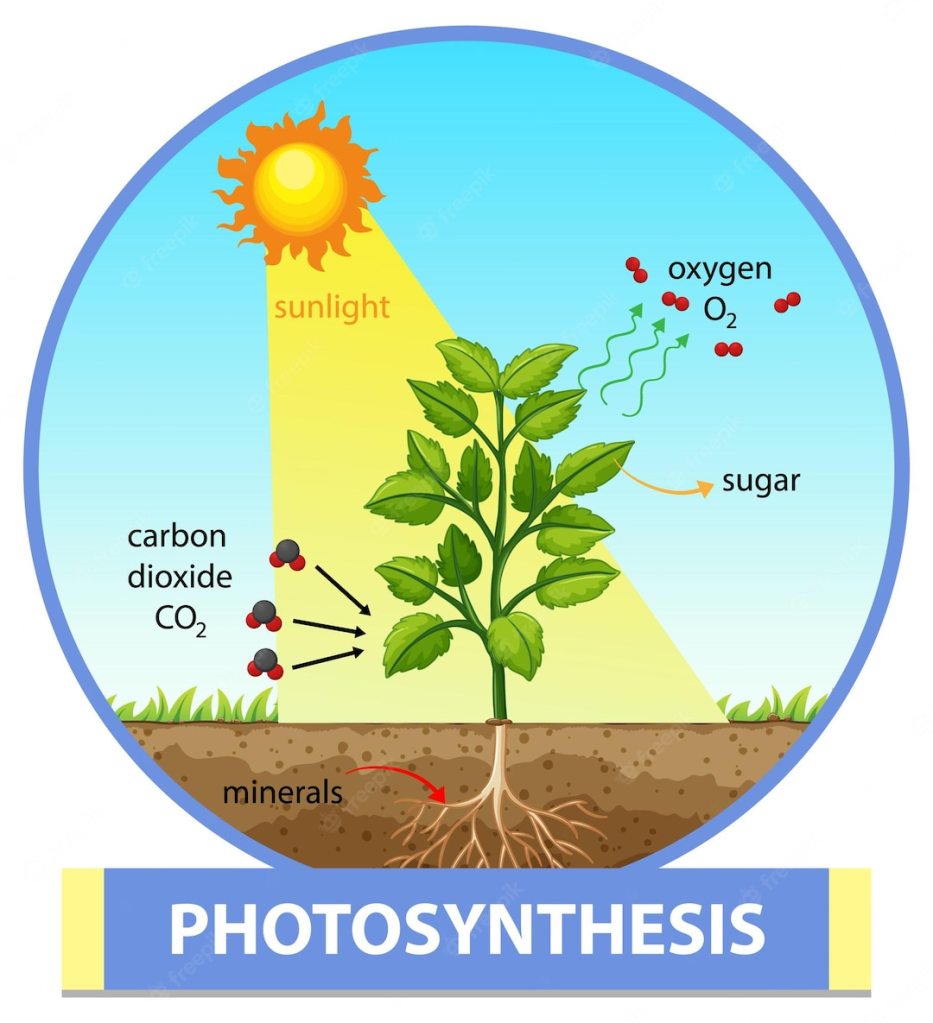
The overall equation for photosynthesis is:
6CO2 (carbon dioxide) + 6H2O (water) + light energy → C6H12O6 (glucose) + 6O2 (oxygen)
Photosynthesis can be divided into two stages: the light-dependent reactions and the light-independent reactions (also known as the Calvin cycle or the dark reactions).
Light-Dependent Reactions:
In this stage, light energy is captured by chlorophyll and other pigments in the thylakoid membranes of chloroplasts. The captured light energy is used to generate chemical energy in the form of ATP (adenosine triphosphate) and NADPH (nicotinamide adenine dinucleotide phosphate), which are energy-rich molecules.
During the light-dependent reactions, water molecules are also split, releasing oxygen as a byproduct. This process is called photolysis. The liberated electrons from water replace the electrons lost from chlorophyll, ensuring a continuous flow of electrons and energy transfer.
Light-Independent Reactions (Calvin Cycle):
The light-independent reactions occur in the stroma of chloroplasts. These reactions do not require light directly but rely on the energy-rich molecules (ATP and NADPH) produced in the light-dependent reactions.
During the light-independent reactions, carbon dioxide (CO2) from the atmosphere enters the stroma of chloroplasts, where it combines with a five-carbon sugar called ribulose bisphosphate (RuBP) to form a six-carbon molecule. This process is known as carbon fixation. The resulting six-carbon molecule undergoes a series of reactions, facilitated by enzymes, to produce glucose and regenerate the starting molecule (RuBP). Glucose can be further processed to form other organic compounds that the plant needs for growth and energy storage.
It’s important to note that while plants are the primary photosynthetic organisms, some types of bacteria and algae also carry out photosynthesis using similar mechanisms, although they may have different pigments other than chlorophyll.
Overall, photosynthesis is a complex and crucial process that helps maintain the balance of atmospheric gases, provides energy for plants and ecosystems, and contributes to the overall sustainability of life on Earth
 science