Taste Sensations
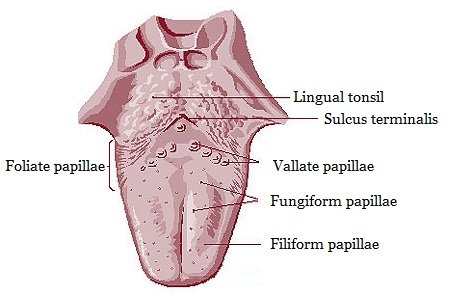
The tongue plays a crucial role in the sense of taste. It contains taste buds, which are small sensory organs that enable us to perceive different tastes. Taste buds are located on the surface of the tongue, as well as on the roof of the mouth and the walls of the throat. Each taste bud contains several specialized cells that detect specific taste sensations.
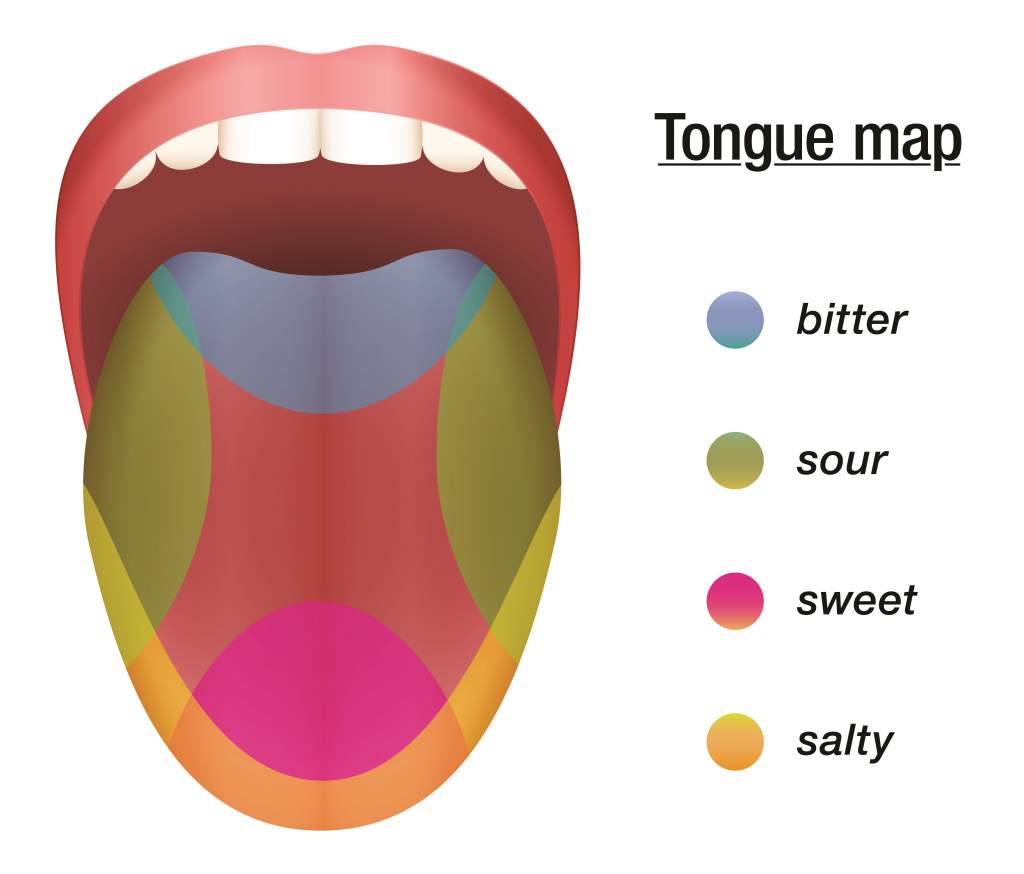
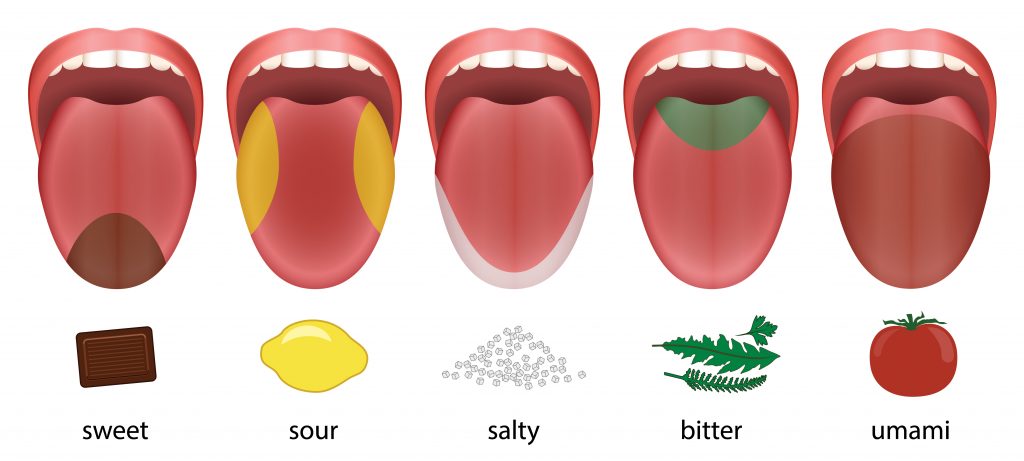
There are five primary tastes that the human tongue can perceive:
1.Sweet: Sweet taste is typically associated with sugars and is often described as pleasurable. It can be found in foods like fruits, desserts, and some carbohydrates.
2.Sour: Sour taste is usually associated with acidic substances, such as lemons, vinegar, and certain fruits. It is often described as tart or acidic.
3.Salty: Salty taste is associated with the presence of salts, such as sodium chloride. Common salty foods include salted meats, chips, and certain snacks.
4.Bitter: Bitter taste is often associated with substances like coffee, dark chocolate, and certain vegetables like broccoli or kale. It is generally described as having a sharp, unpleasant taste.
5.Umami: Umami is a savory taste that is often described as meaty or brothy. It is associated with the presence of glutamate and can be found in foods like meat, mushrooms, and soy sauce.
It’s important to note that taste perception is not solely determined by the tongue. Other factors such as smell, temperature, texture, and personal preferences can also influence how we experience taste.