Plant hormones


Plant Hormone

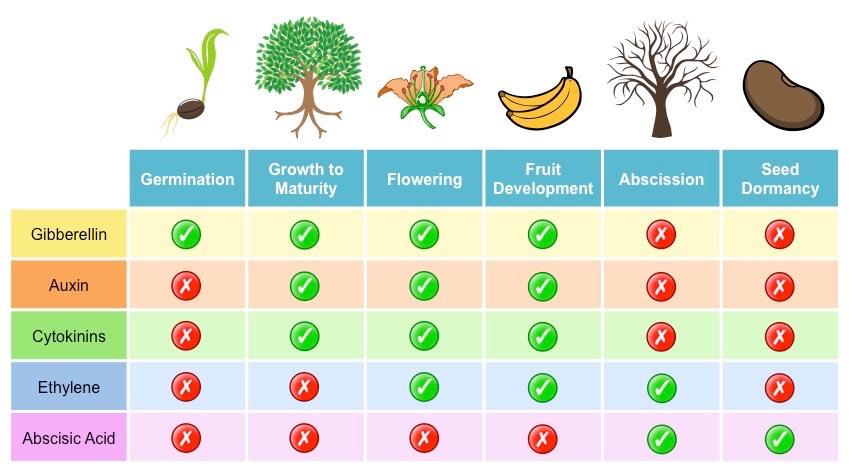
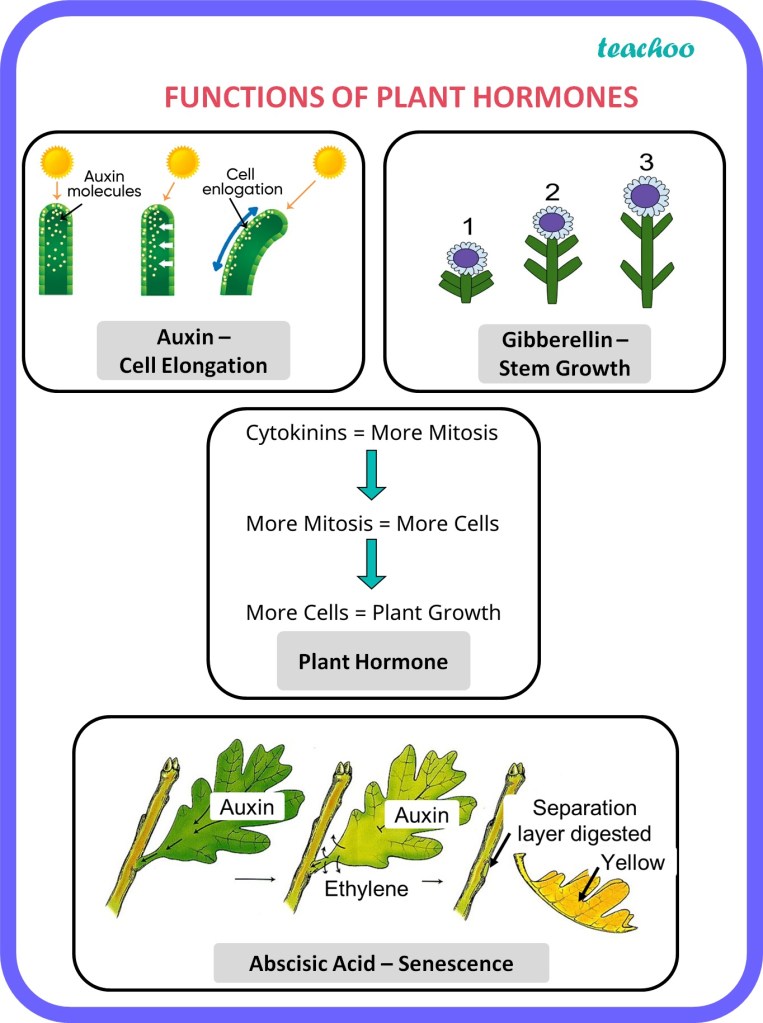
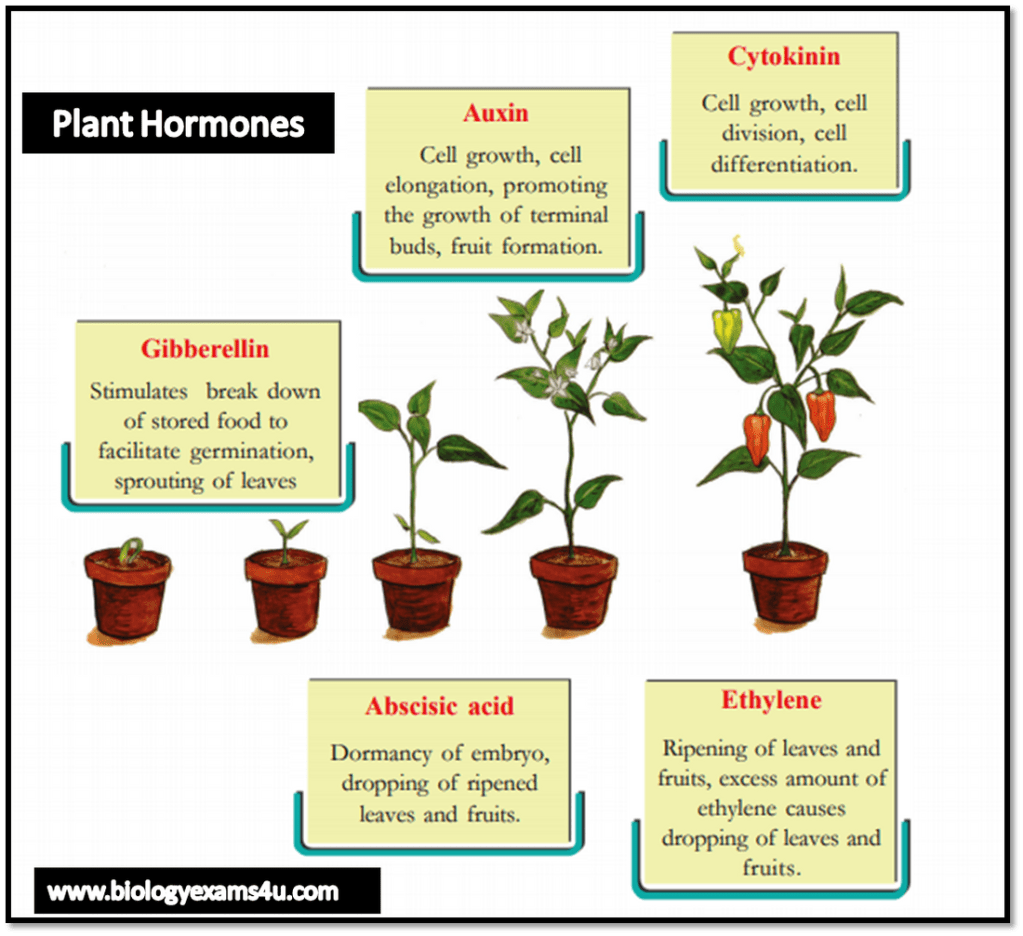
Plant hormones, also known as phytohormones or plant growth regulators, are chemical substances produced by plants that regulate various physiological processes. These hormones play a crucial role in controlling plant growth, development, and responses to environmental stimuli. There are several types of plant hormones, each with its specific functions:

  1. Auxins: Auxins are primarily responsible for regulating cell elongation, apical dominance, and root initiation. They control tropisms, such as phototropism (bending towards light) and gravitropism (response to gravity).
  2. Gibberellins: Gibberellins promote stem elongation, seed germination, and flowering. They also play a role in fruit development and breaking seed dormancy.
  3. Cytokinins: Cytokinins stimulate cell division and promote shoot formation. They also influence root development, delay leaf senescence, and regulate nutrient transport.
  4. Abscisic Acid (ABA): ABA is involved in stress responses, such as drought tolerance and seed dormancy. It regulates stomatal closure, preventing water loss from leaves.
  5. Ethylene: Ethylene is a gaseous hormone that regulates fruit ripening, senescence (aging), and abscission (leaf or fruit drop). It also influences plant responses to stress, such as pathogen attacks or mechanical damage.
  6. Brassinosteroids: Brassinosteroids promote cell elongation, cell division, and differentiation. They are involved in regulating plant growth and development, particularly in stems and pollen.
  7. Jasmonates: Jasmonates are involved in various processes, including plant defense against pathogens and herbivores, regulation of fertility, and responses to environmental cues.

These hormones often interact with each other and with external stimuli to coordinate plant growth and development. They can act locally or be transported to different parts of the plant to elicit specific responses. Understanding the functions and interactions of plant hormones is essential for plant biologists and agronomists to manipulate plant growth, improve crop yields, and develop stress-tolerant varieties.
Tongue taste


Taste Sensations


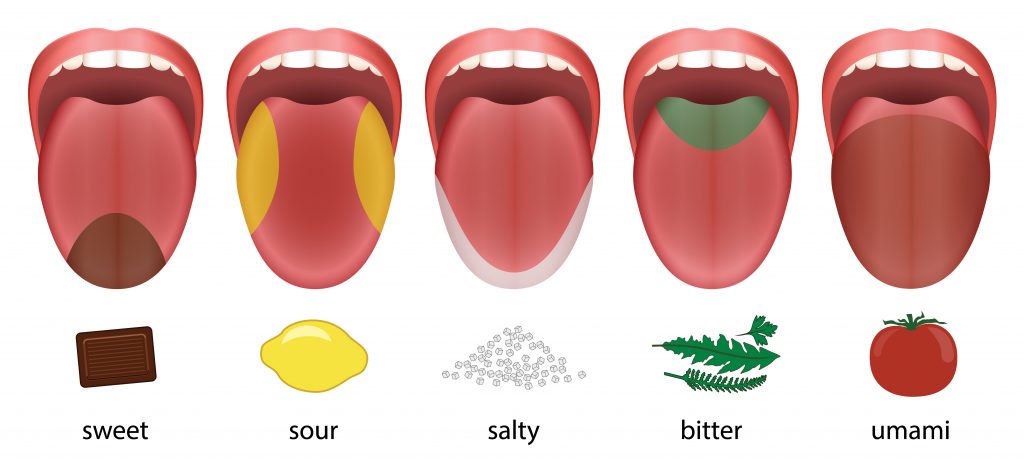
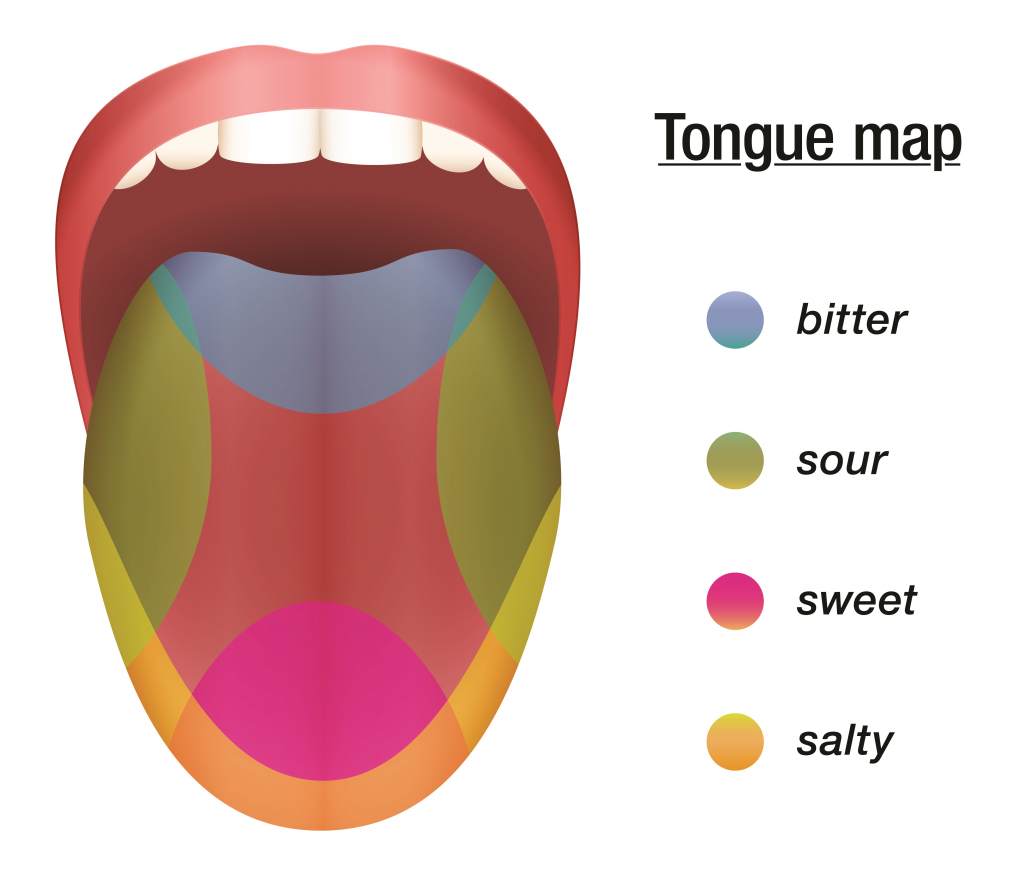
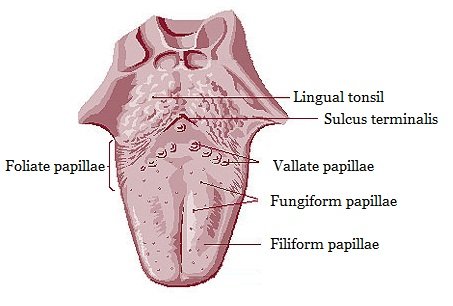
The tongue plays a crucial role in the sense of taste. It contains taste buds, which are small sensory organs that enable us to perceive different tastes. Taste buds are located on the surface of the tongue, as well as on the roof of the mouth and the walls of the throat. Each taste bud contains several specialized cells that detect specific taste sensations.

There are five primary tastes that the human tongue can perceive:

1.Sweet: Sweet taste is typically associated with sugars and is often described as pleasurable. It can be found in foods like fruits, desserts, and some carbohydrates.

2.Sour: Sour taste is usually associated with acidic substances, such as lemons, vinegar, and certain fruits. It is often described as tart or acidic.

3.Salty: Salty taste is associated with the presence of salts, such as sodium chloride. Common salty foods include salted meats, chips, and certain snacks.

4.Bitter: Bitter taste is often associated with substances like coffee, dark chocolate, and certain vegetables like broccoli or kale. It is generally described as having a sharp, unpleasant taste.

5.Umami: Umami is a savory taste that is often described as meaty or brothy. It is associated with the presence of glutamate and can be found in foods like meat, mushrooms, and soy sauce.

It’s important to note that taste perception is not solely determined by the tongue. Other factors such as smell, temperature, texture, and personal preferences can also influence how we experience taste.


Human ear


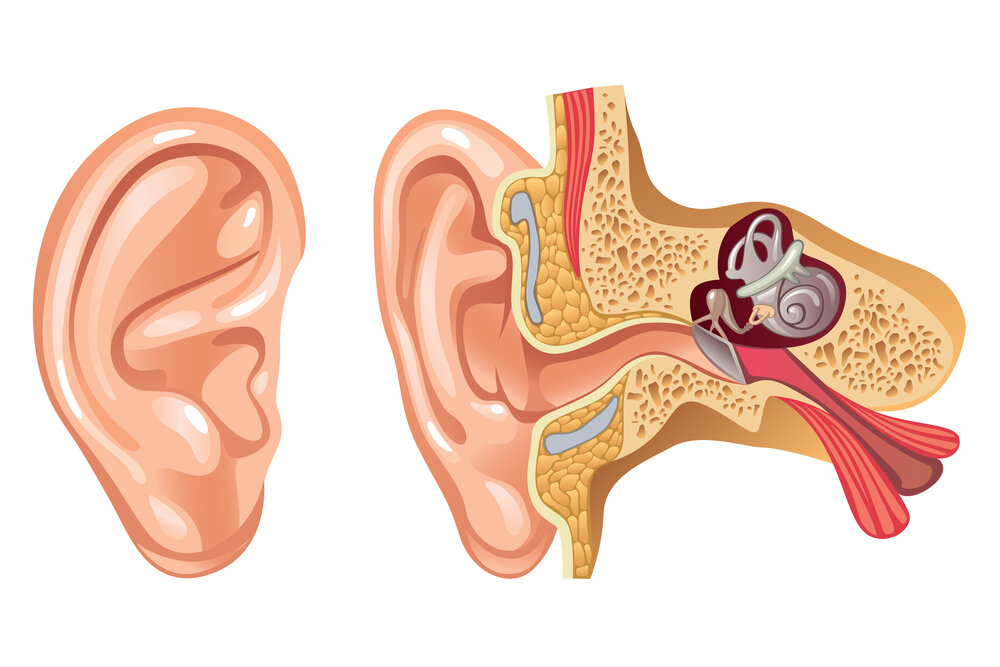
The human ear is the organ responsible for hearing and maintaining balance. It is a complex structure that consists of three main parts: the outer ear, middle ear, and inner ear.

Outer Ear:

Pinna: The visible part of the ear on the outside of the head. It collects sound waves from the environment and directs them into the ear canal.
Ear Canal: A tube-like structure that leads from the pinna to the middle ear. It carries sound waves to the eardrum.
Middle Ear:

Eardrum (Tympanic Membrane): A thin, cone-shaped membrane that separates the outer ear from the middle ear. When sound waves reach the eardrum, it vibrates.
Ossicles: Three small bones called the hammer (malleus), anvil (incus), and stirrup (stapes) are located in the middle ear. They transmit and amplify the vibrations from the eardrum to the inner ear.
Eustachian Tube: A narrow passage that connects the middle ear to the back of the throat. It helps equalize pressure between the middle ear and the outside environment.
Inner Ear:

Cochlea: A spiral-shaped, fluid-filled structure in the inner ear. It contains tiny hair cells that convert sound vibrations into electrical signals that can be interpreted by the brain.
Vestibular System: This part of the inner ear is responsible for maintaining balance and detecting head position and movement. It consists of three semicircular canals and the otolith organs.
The electrical signals generated by the hair cells in the cochlea are transmitted to the brain through the auditory nerve. The brain then interprets these signals as sound, allowing us to perceive and understand the auditory information from our environment.

Hydrocarbon

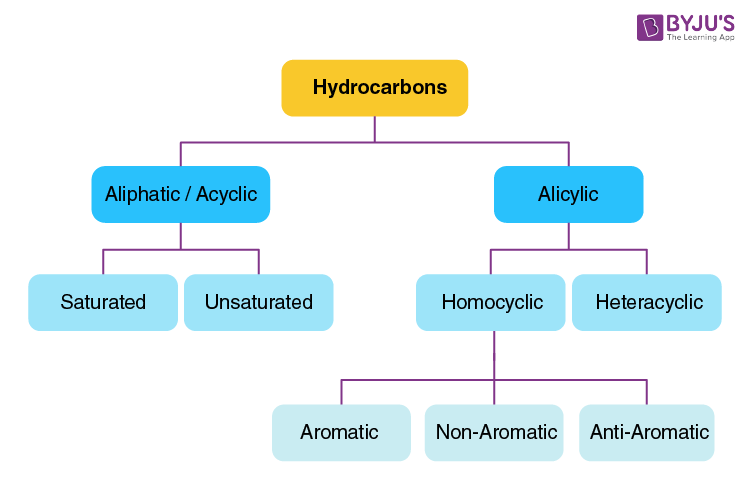
Hydrocarbons are organic compounds composed of hydrogen and carbon atoms. They are the fundamental building blocks of many organic substances, including fossil fuels such as coal, petroleum, and natural gas. Hydrocarbons are characterized by their carbon ske


There are different types of hydrocarbons, classified based on the arrangement of carbon atoms and the types of bonds between them. Here are a few common categories:

Alkanes: Also known as paraffins, alkanes are saturated hydrocarbons with single bonds between carbon atoms. Methane (CH4), ethane (C2H6), propane (C3H8), and butane (C4H10) are examples of alkanes.

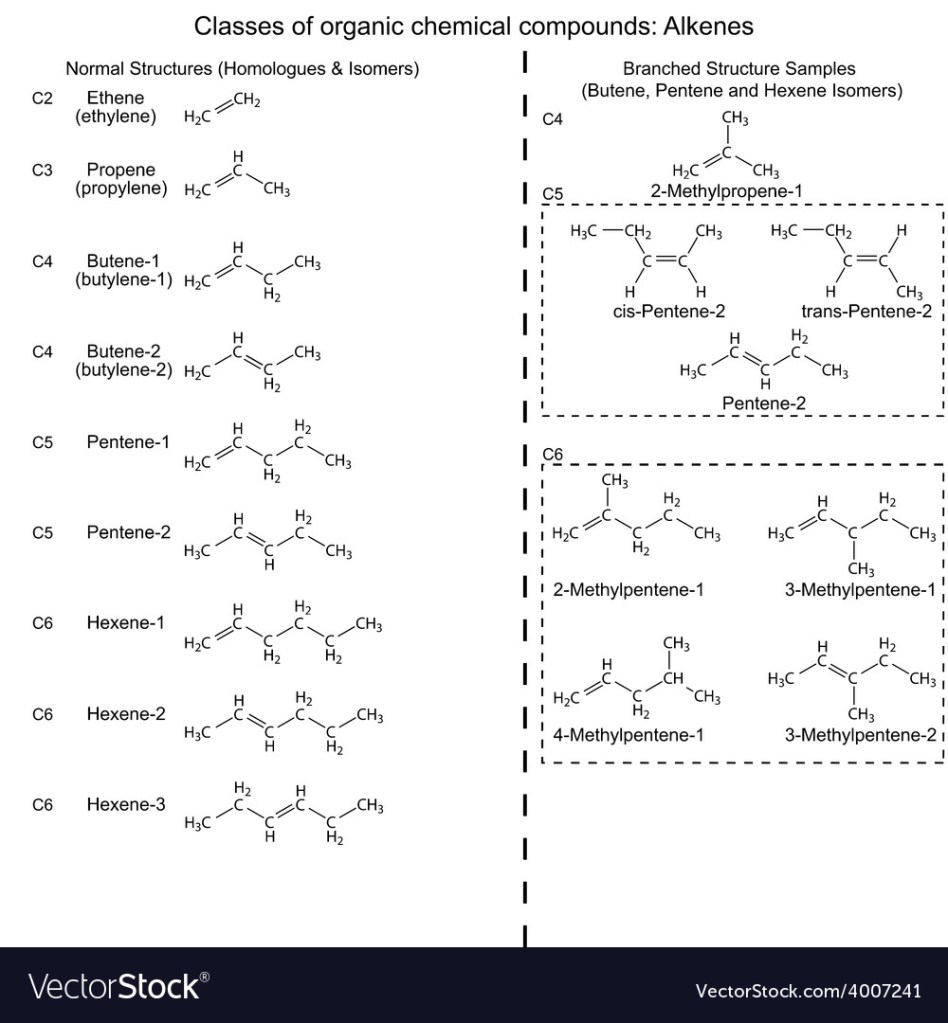
Alkenes: These are unsaturated hydrocarbons that contain at least one carbon-carbon double bond. Ethene (C2H4) and propene (C3H6) are examples of alkenes.

Alkynes: Alkynes are unsaturated hydrocarbons that feature at least one carbon-carbon triple bond. Ethyne (C2H2) is an example of an alkyne.

Aromatic hydrocarbons: Aromatic compounds have a unique ring structure called a benzene ring. Benzene (C6H6) is the simplest aromatic hydrocarbon, and it is known for its distinct aroma.


Hydrocarbons have various uses and applications. Fossil fuels derived from hydrocarbons, such as petroleum and natural gas, are vital energy sources for transportation, heating, and electricity generation. Hydrocarbons are also used as raw materials in the production of plastics, solvents, lubricants, waxes, and many other chemicals.

However, it is worth noting that the combustion of hydrocarbons contributes to air pollution and the emission of greenhouse gases, which are associated with climate change. As the world seeks to reduce its reliance on fossil fuels and transition to more sustainable energy sources, the development and utilization of alternative energy technologies are becoming increasingly important.

Hydrogen engine

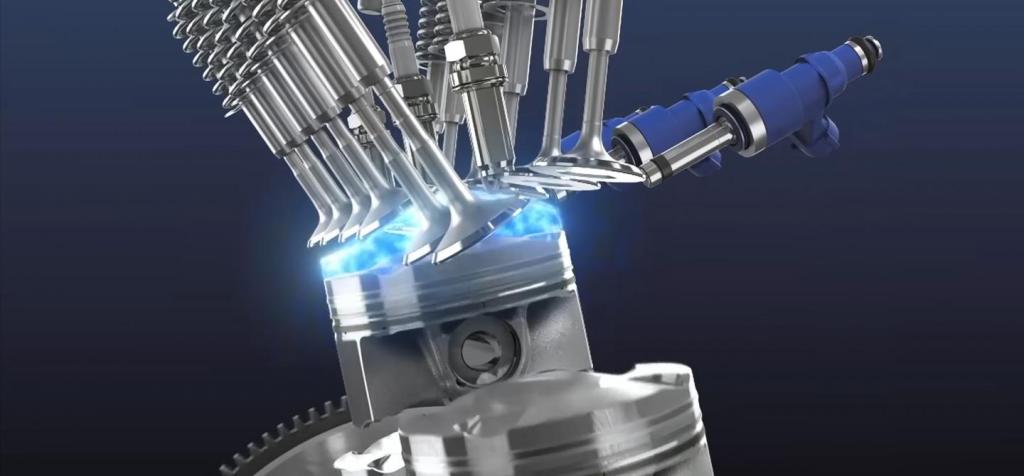
A hydrogen engine, also known as a hydrogen internal combustion engine (HICE), is an engine that burns hydrogen as its fuel source to generate power. Similar to traditional internal combustion engines, hydrogen engines use a combustion process to convert the chemical energy in hydrogen into mechanical energy.


A hydrogen engine is an internal combustion engine (ICE) that operates on hydrogen as a fuel source. It is designed to convert the chemical energy stored in hydrogen gas into mechanical energy, which can be used to power vehicles, machinery, or generators.

Unlike traditional internal combustion engines that use gasoline or diesel fuel, hydrogen engines burn hydrogen as the primary fuel. When hydrogen combines with oxygen in the engine’s combustion chamber, it undergoes a chemical reaction known as combustion, resulting in the production of water vapor and the release of energy. This process is often referred to as hydrogen combustion.

Hydrogen engines can be classified into two main types:

Spark Ignition (SI) Engines: These engines operate similarly to gasoline engines. Hydrogen is mixed with air, and a spark plug ignites the hydrogen-air mixture, causing combustion. The energy released from combustion drives the engine’s pistons, which generates mechanical power.

Compression Ignition (CI) Engines: These engines operate similarly to diesel engines. Hydrogen is injected into the combustion chamber, where it is compressed by the piston. The high temperature and pressure cause the hydrogen to self-ignite, leading to combustion. The resulting expansion of gases drives the piston and generates power.

Advantages of Hydrogen Engines:

1.Zero Emissions: The primary advantage of hydrogen engines is that they produce zero harmful emissions when hydrogen is burned. The only byproduct of hydrogen combustion is water vapor, making it a clean and environmentally friendly fuel option.

2.High Energy Efficiency: Hydrogen has a high energy-to-weight ratio, making it an efficient fuel source. Hydrogen engines can achieve high thermal efficiencies, which means they can convert a large portion of the energy contained in hydrogen into useful mechanical work.

3.Renewable Energy Compatibility: Hydrogen can be produced using various methods, including electrolysis, which can be powered by renewable energy sources like wind or solar. This makes hydrogen engines a potential solution for utilizing renewable energy in transportation and other sectors.

Challenges and Limitations:

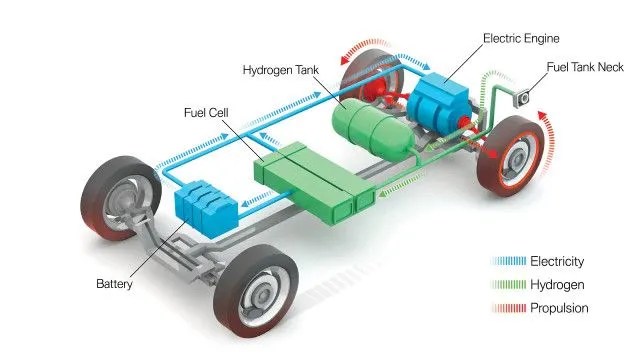
1.Hydrogen Infrastructure: The widespread adoption of hydrogen engines faces challenges related to infrastructure development. Building a comprehensive hydrogen refueling network is required to support the refueling needs of hydrogen-powered vehicles.

2.Fuel Storage and Safety: Hydrogen has low energy density compared to gasoline or diesel, which means it requires larger storage tanks. Safety concerns regarding hydrogen storage and handling, such as potential leaks or explosions, need to be addressed and mitigated.

3.Production Challenges: The production of hydrogen often relies on fossil fuels, such as natural gas, which can result in carbon emissions. Scaling up the production of hydrogen from renewable sources is necessary to minimize environmental impact.

4.Cost: Currently, the production and storage of hydrogen are relatively expensive compared to conventional fuels. However, with advancements in technology and economies of scale, the cost of hydrogen production is expected to decrease over time.

5.Hydrogen engines represent one of the potential solutions for decarbonizing transportation and reducing greenhouse gas emissions. Ongoing research and development efforts are focused on improving hydrogen storage, infrastructure, and production methods to make hydrogen engines more viable and practical in the future.

Systemic circulation of heart

Blood circulation, also known as the cardiovascular system or the circulatory system, is a vital process that transports oxygen, nutrients, hormones, and other essential substances throughout the body. It plays a crucial role in maintaining homeostasis, delivering oxygen to tissues, removing waste products, and supporting overall bodily functions.


Circulation Summary


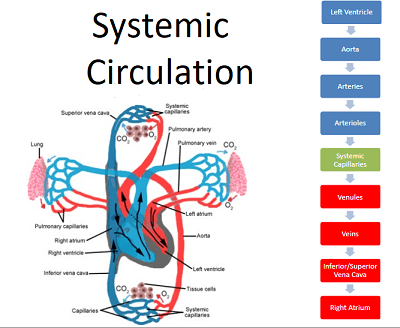
Systemic circulation refers to the part of the circulatory system that carries oxygenated blood from the heart to the various tissues and organs of the body and returns deoxygenated blood back to the heart. It is responsible for delivering oxygen, nutrients, hormones, and other vital substances to the cells and removing waste products and carbon dioxide.

The systemic circulation begins when oxygenated blood leaves the left ventricle of the heart through the largest artery in the body, called the aorta. The aorta branches into smaller arteries, which further divide into arterioles and eventually into tiny capillaries. Capillaries are the site of exchange between the blood and the surrounding tissues. Oxygen and nutrients diffuse out of the capillaries into the cells, while waste products and carbon dioxide move from the cells into the capillaries.

From the capillaries, the blood collects into venules, which merge to form larger veins. Veins progressively merge and increase in size, eventually forming the superior and inferior vena cava, which return deoxygenated blood back to the right atrium of the heart. The blood is then pumped to the lungs through the pulmonary circulation to pick up oxygen and remove carbon dioxide, starting the cycle again.


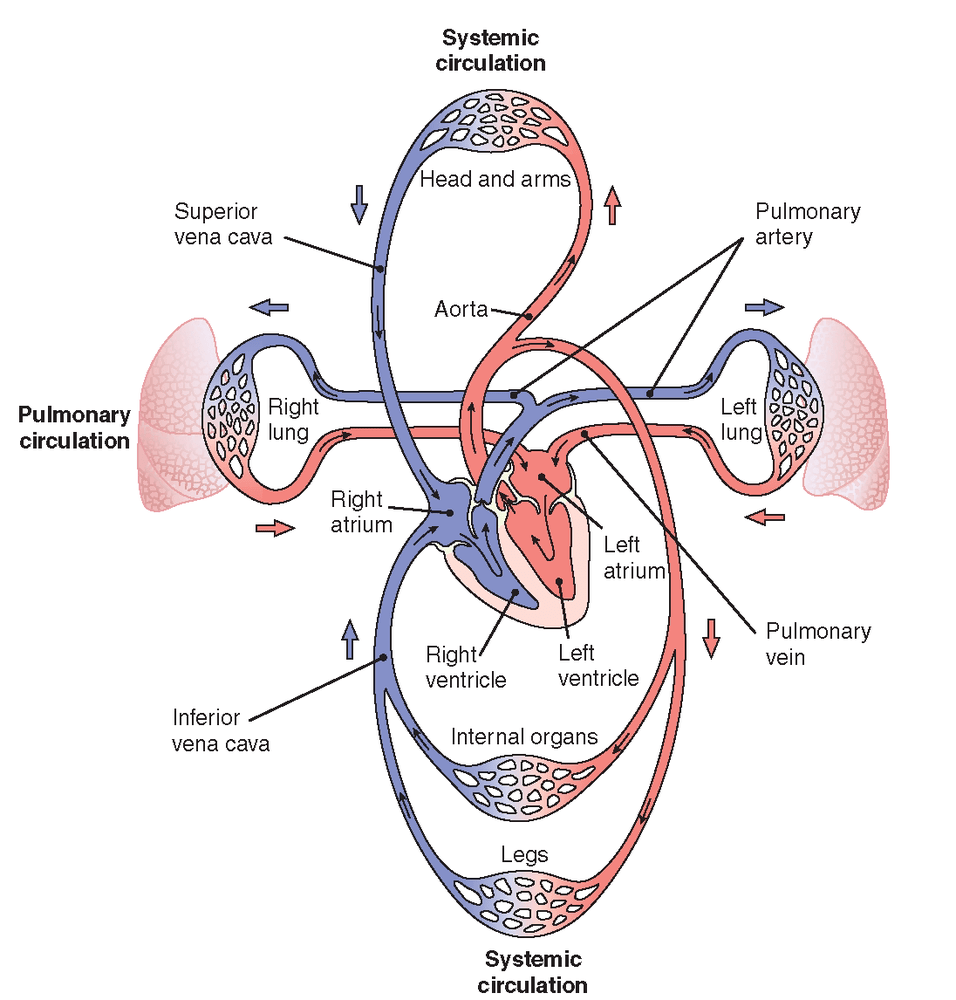
The circulatory system consists of the heart, blood vessels (arteries, veins, and capillaries), and blood. It is divided into two major components: the systemic circulation and the pulmonary circulation.

Systemic Circulation: As mentioned earlier, systemic circulation involves the flow of oxygenated blood from the heart to the body tissues and the return of deoxygenated blood back to the heart. The process can be summarized as follows:
Oxygenated blood is pumped out of the left ventricle of the heart into the aorta, the largest artery in the body.
The aorta branches into smaller arteries, which further divide into arterioles and capillaries. The capillaries are where oxygen and nutrients are exchanged with the surrounding tissues.
Deoxygenated blood, now carrying waste products and carbon dioxide, is collected by venules, which merge to form veins.
Veins gradually merge and increase in size, forming the superior and inferior vena cava, which return deoxygenated blood to the right atrium of the heart.
The deoxygenated blood then enters the right ventricle and is pumped to the lungs via the pulmonary circulation to pick up oxygen and release carbon dioxide.
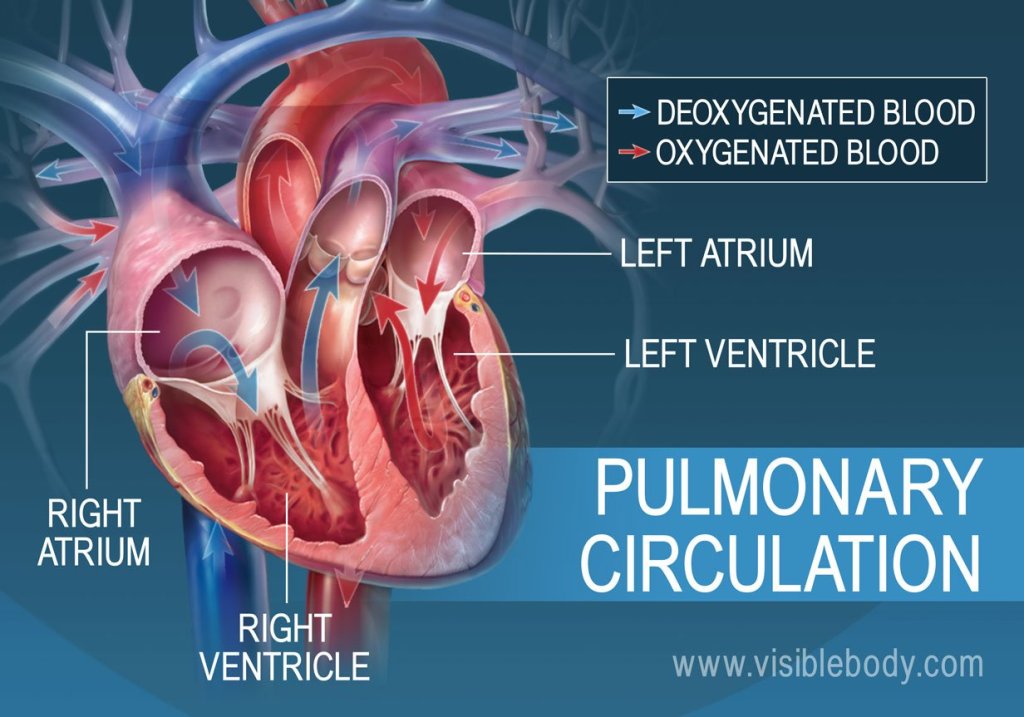
Pulmonary Circulation: Pulmonary circulation refers to the circulation of blood between the heart and the lungs. It is responsible for oxygenating the blood and removing carbon dioxide. The process can be summarized as follows:
Deoxygenated blood from the right atrium is pumped into the right ventricle.
The right ventricle contracts, and the blood is pushed into the pulmonary artery.
The pulmonary artery divides into smaller arteries, which further divide into capillaries in the lungs.
In the lung capillaries, carbon dioxide is released from the blood, and oxygen from inhaled air diffuses into the blood.
Oxygenated blood is then collected by venules, which merge to form veins, and ultimately into the pulmonary veins.
The pulmonary veins carry the oxygenated blood back to the left atrium of the heart, completing the pulmonary circulation.
This continuous circulation of blood ensures the transport of vital substances and the maintenance of overall body function. The heart’s pumping action creates pressure, and the blood vessels distribute and regulate the flow to meet the specific needs of different tissues and organs

Photosynthesis

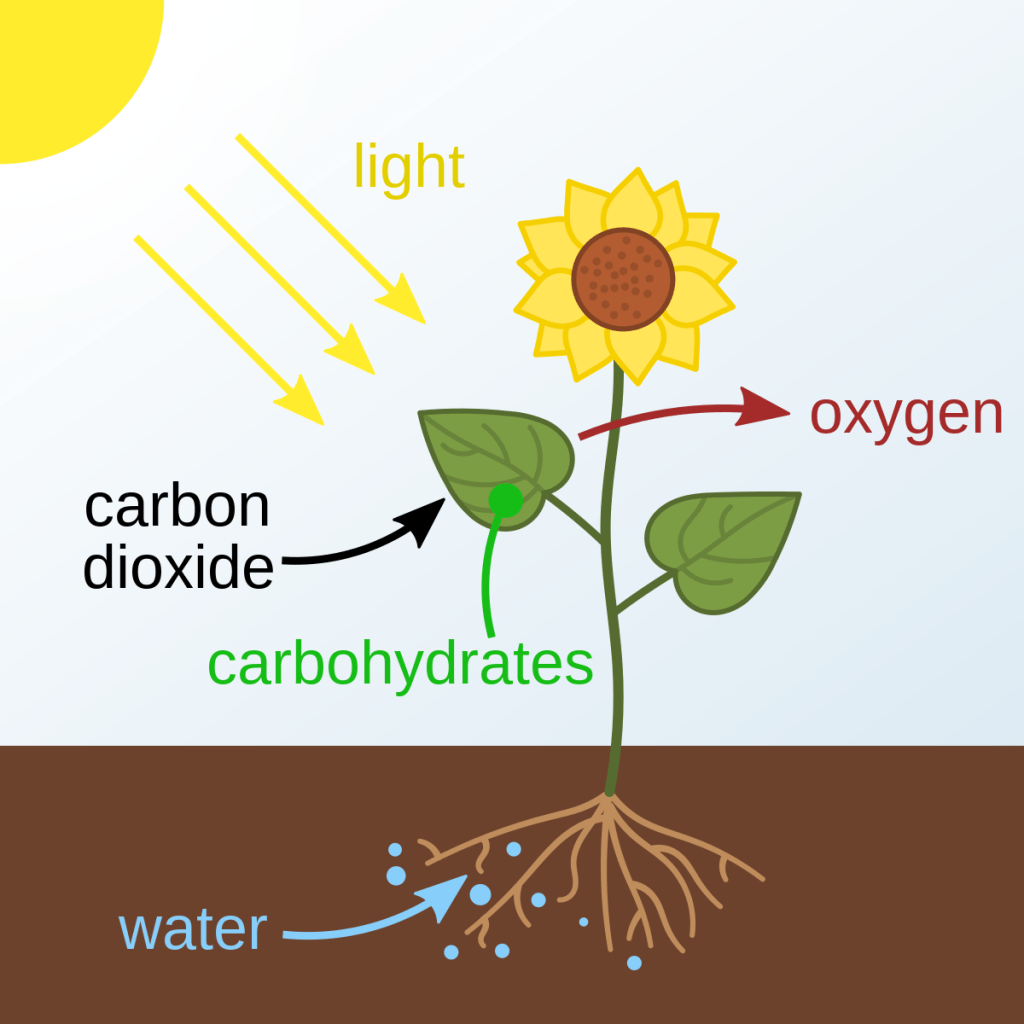
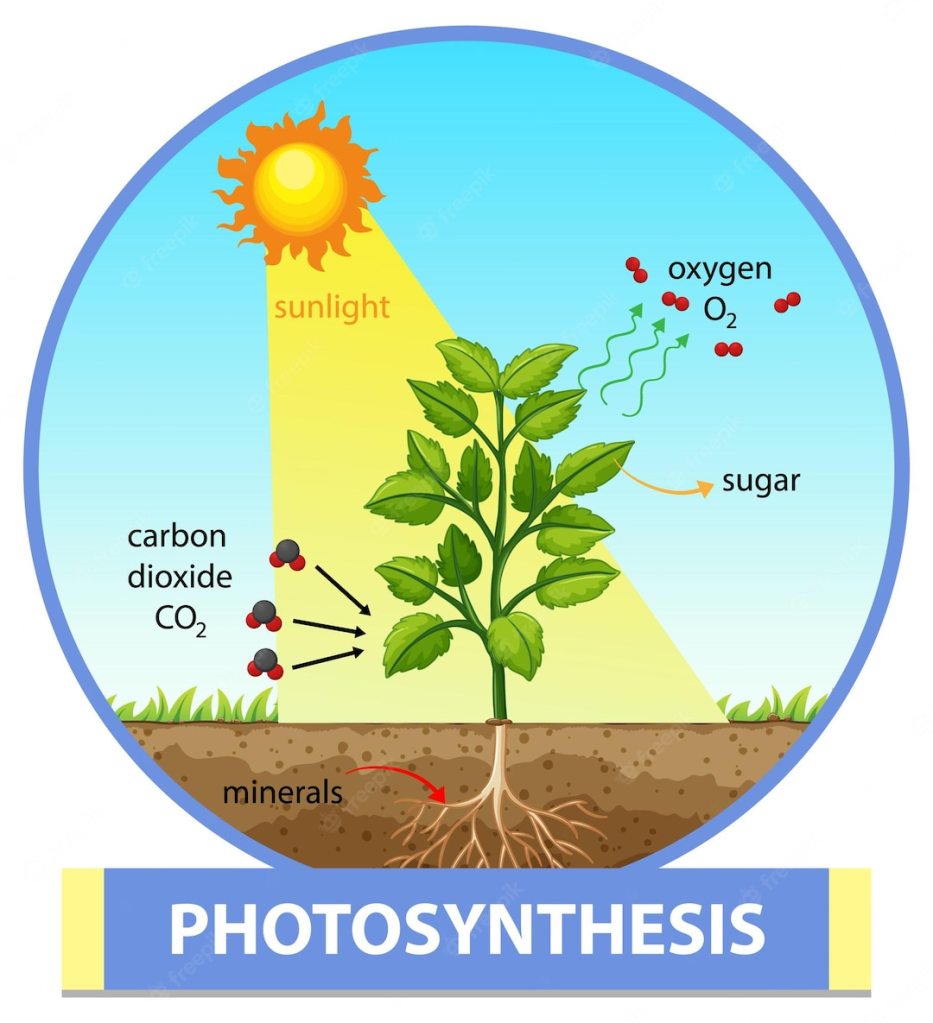
Photosynthesis is a process that occurs in plants, algae, and some bacteria. It is the primary means by which these organisms convert light energy into chemical energy, which is stored in the form of glucose or other carbohydrates. This process is crucial for life on Earth as it provides the oxygen we breathe and serves as the foundation of the food chain.

During photosynthesis, plants use specialized structures called chloroplasts, which contain a pigment called chlorophyll. Chlorophyll absorbs light energy, particularly in the blue and red regions of the electromagnetic spectrum, while reflecting green light, giving plants their characteristic color.


The process of photosynthesis takes place in specialized cell organelles called chloroplasts, which contain a pigment called chlorophyll. Chlorophyll absorbs light energy, particularly in the red and blue regions of the electromagnetic spectrum, while reflecting green light, giving plants their characteristic green color.

The overall equation for photosynthesis is:

6CO2 (carbon dioxide) + 6H2O (water) + light energy → C6H12O6 (glucose) + 6O2 (oxygen)

Photosynthesis can be divided into two stages: the light-dependent reactions and the light-independent reactions (also known as the Calvin cycle or the dark reactions).

Light-Dependent Reactions:
In this stage, light energy is captured by chlorophyll and other pigments in the thylakoid membranes of chloroplasts. The captured light energy is used to generate chemical energy in the form of ATP (adenosine triphosphate) and NADPH (nicotinamide adenine dinucleotide phosphate), which are energy-rich molecules.
During the light-dependent reactions, water molecules are also split, releasing oxygen as a byproduct. This process is called photolysis. The liberated electrons from water replace the electrons lost from chlorophyll, ensuring a continuous flow of electrons and energy transfer.

Light-Independent Reactions (Calvin Cycle):
The light-independent reactions occur in the stroma of chloroplasts. These reactions do not require light directly but rely on the energy-rich molecules (ATP and NADPH) produced in the light-dependent reactions.
During the light-independent reactions, carbon dioxide (CO2) from the atmosphere enters the stroma of chloroplasts, where it combines with a five-carbon sugar called ribulose bisphosphate (RuBP) to form a six-carbon molecule. This process is known as carbon fixation. The resulting six-carbon molecule undergoes a series of reactions, facilitated by enzymes, to produce glucose and regenerate the starting molecule (RuBP). Glucose can be further processed to form other organic compounds that the plant needs for growth and energy storage.

It’s important to note that while plants are the primary photosynthetic organisms, some types of bacteria and algae also carry out photosynthesis using similar mechanisms, although they may have different pigments other than chlorophyll.

Overall, photosynthesis is a complex and crucial process that helps maintain the balance of atmospheric gases, provides energy for plants and ecosystems, and contributes to the overall sustainability of life on Earth

Osmosis

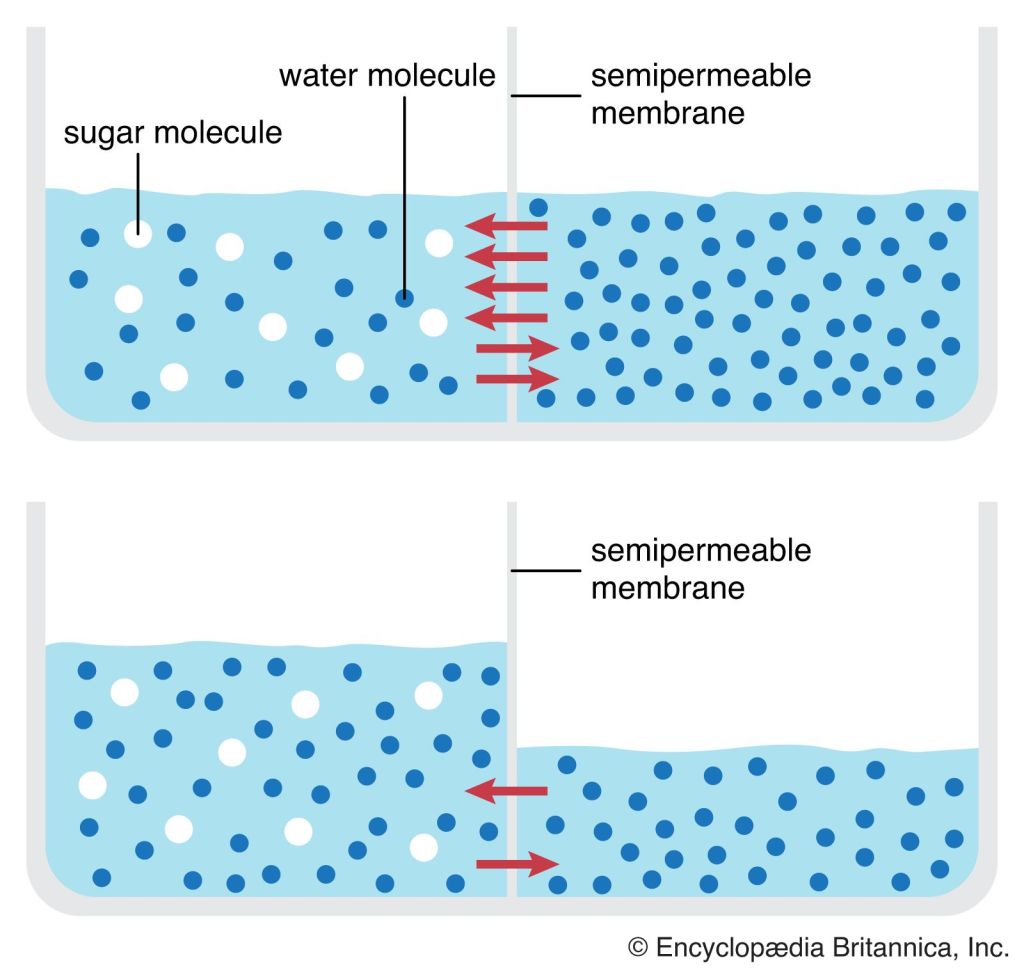
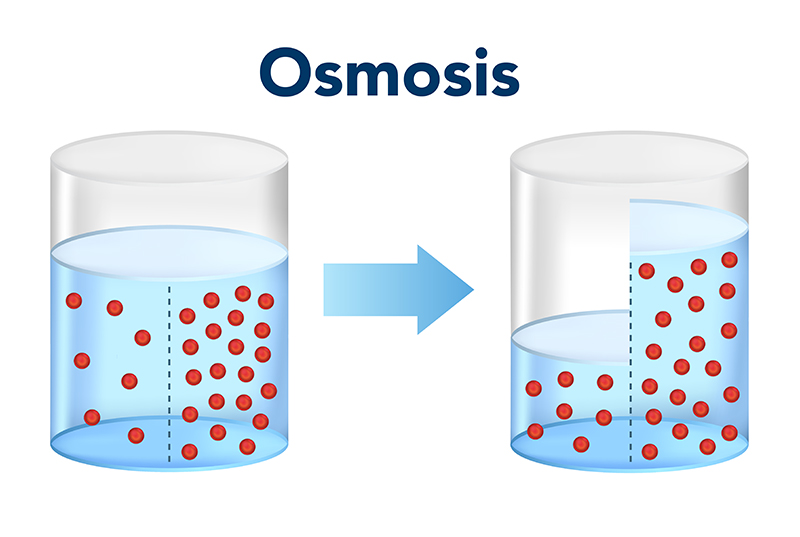
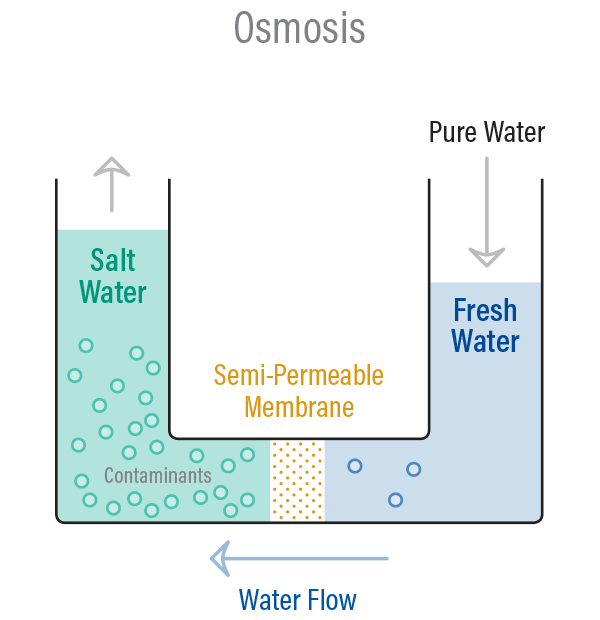
Osmosis is a biological process that involves the movement of solvent molecules (usually water) through a semipermeable membrane from an area of lower solute concentration to an area of higher solute concentration. It is a form of passive transport, meaning it does not require energy input from the cell.

The semipermeable membrane allows the passage of solvent molecules but restricts the movement of solute molecules based on their size and charge. The direction of osmosis is determined by the relative concentrations of solute molecules on either side of the membrane. Water molecules will move across the membrane to equalize the concentration of solute particles on both sides.

If the concentration of solute is higher outside the cell (hypertonic solution), water will move out of the cell through osmosis, causing the cell to shrink or become dehydrated. Conversely, if the concentration of solute is higher inside the cell (hypotonic solution), water will move into the cell through osmosis, causing the cell to swell or even burst. When the concentrations are equal on both sides (isotonic solution), there is no net movement of water.

Osmosis plays a crucial role in various biological processes, such as the absorption of water by plant roots, the movement of water in the human body, and the regulation of cell volume. It is also utilized in various practical applications, including water purification, dialysis, and preservation techniques like osmotic dehydration and osmotic drying.

Spinal cord

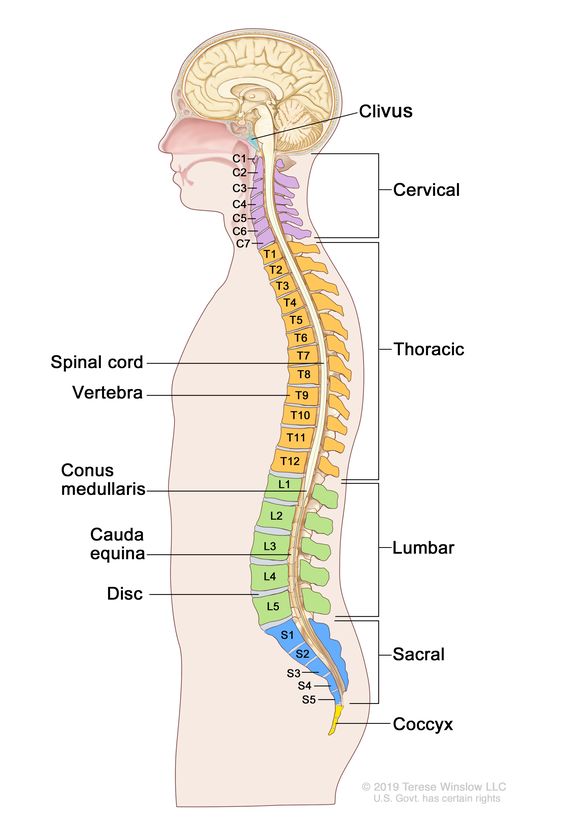
The spinal cord is a long, cylindrical bundle of nerve tissue that extends from the base of the brain down the vertebral column. It is a crucial part of the central nervous system (CNS), along with the brain. The spinal cord is responsible for transmitting sensory information from the body to the brain and conveying motor signals from the brain to the body.

Anatomy of the Spinal Cord:
The spinal cord is approximately 45 cm (18 inches) long and about as thick as a human finger. It is protected by the vertebrae, which form the spinal column or backbone. The spinal cord consists of gray matter and white matter.

Structure:
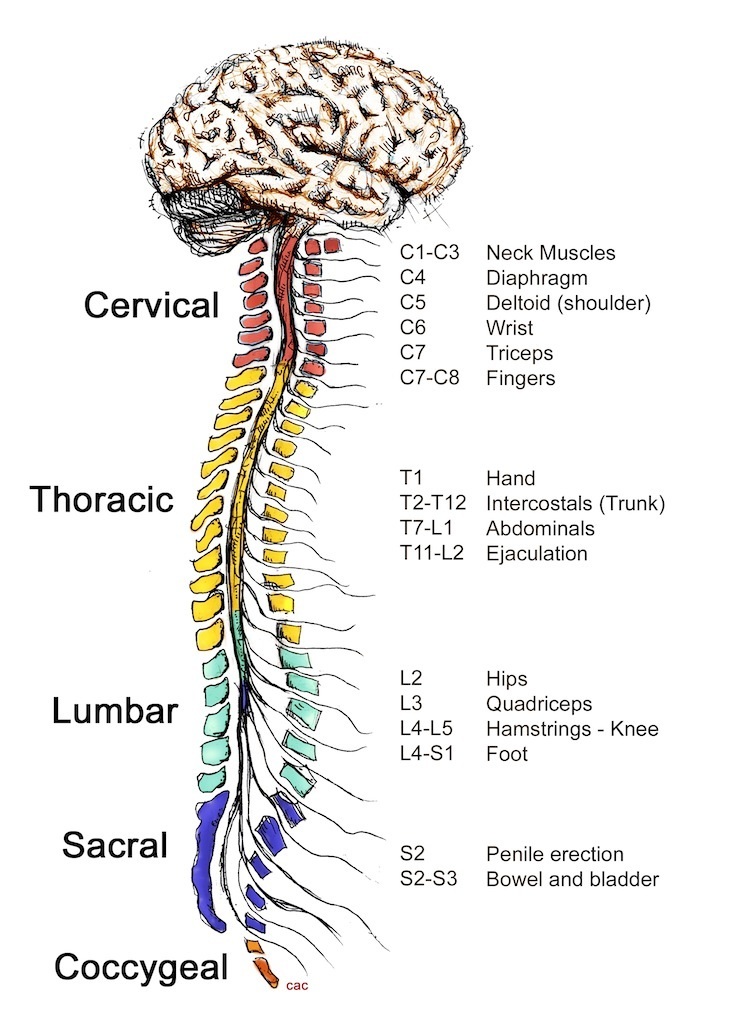
The spinal cord is composed of nerve fibers, which are long, thread-like structures that transmit electrical signals, and surrounding support cells called glial cells. It is divided into different regions or segments, each corresponding to a specific area of the body.

The spinal cord is organized into four main regions:


Spinal Cord Overview


The spinal cord is a long, thin, tubular bundle of nervous tissue that extends from the base of the brain down the vertebral column, which is made up of individual bones called vertebrae. It is a vital part of the central nervous system (CNS) and plays a crucial role in transmitting signals between the brain and the rest of the body.

Structure of the Spinal Cord:
The spinal cord is composed of millions of nerve fibers that are grouped into tracts. These tracts carry sensory information from the body to the brain (ascending tracts) and transmit motor signals from the brain to the muscles and organs (descending tracts).

The spinal cord is protected by the spinal

Function of the Spinal Cord:
The spinal cord serves as a pathway for nerve impulses to travel between the brain and the rest of the body. It is responsible for relaying sensory information, such as touch, pain, temperature, and proprioception (awareness of body position), from various parts of the body to the brain. Motor commands from the brain are also transmitted through the spinal cord to control muscle movement and organ function.

Additionally, the spinal cord is capable of coordinating certain reflex actions independently of the brain. Reflexes are automatic, involuntary responses to stimuli that help protect the body and enable quick reactions without conscious thought. Examples of spinal reflexes include the knee-jerk reflex and withdrawal reflex.

Injury to the Spinal Cord:
Spinal cord injuries can have significant and often permanent effects on a person’s motor and sensory functions. Damage to the spinal cord can result in loss of sensation, muscle weakness or paralysis, and impairment of bodily functions below the level of injury. The severity and extent of these effects depend on the location and severity of the injury.

Treatment and Rehabilitation:
Treatment for spinal cord injuries often involves immediate medical intervention to stabilize the spine and prevent further damage. Rehabilitation programs are then typically initiated to help individuals regain as much function as possible and adapt to their new circumstances. Rehabilitation may involve physical therapy, occupational therapy, assistive devices, and other supportive measures.

Research and advancements in medical science continue to explore potential treatments and therapies for spinal cord injuries, including nerve regeneration techniques, neural interfaces, and other innovative approaches. While complete functional recovery from spinal cord injuries is currently limited, ongoing efforts aim to improve outcomes and quality of life for individuals with these injuries.

Design a site like this with WordPress.com
Get started